
What Makes Great SaaS UX Feel Effortless
August 24, 2026
10 mins



Image: Source
The idea of launching a SaaS (Software a s a Service) product no longer begins with hiring a large development team or writing thousands of lines of code. In 2026, startups, solopreneurs, and even enterprises are increasingly looking to build SaaS no code solutions that are scalable, cost-effective, and quick to market.
With modern tools enabling no code SaaS development, it’s now possible to validate concepts, launch functional products, and grow recurring revenue without traditional engineering barriers. However, with dozens of tools claiming to be the best no-code platform, the real challenge lies in choosing the right no-code platform for SaaS Development. Selecting the right no code platform for SaaS development can define your product’s performance, scalability, and long-term success.
This guide will help you navigate the landscape of no-code SaaS development, understand critical evaluation criteria, and confidently select the right no-code platform for your SaaS vision.
No-code SaaS development refers to creating full-scale SaaS products using visual tools instead of traditional programming. These platforms allow founders to design workflows, databases, APIs (Application Programming Interface), dashboards, and even a mobile app without writing code.
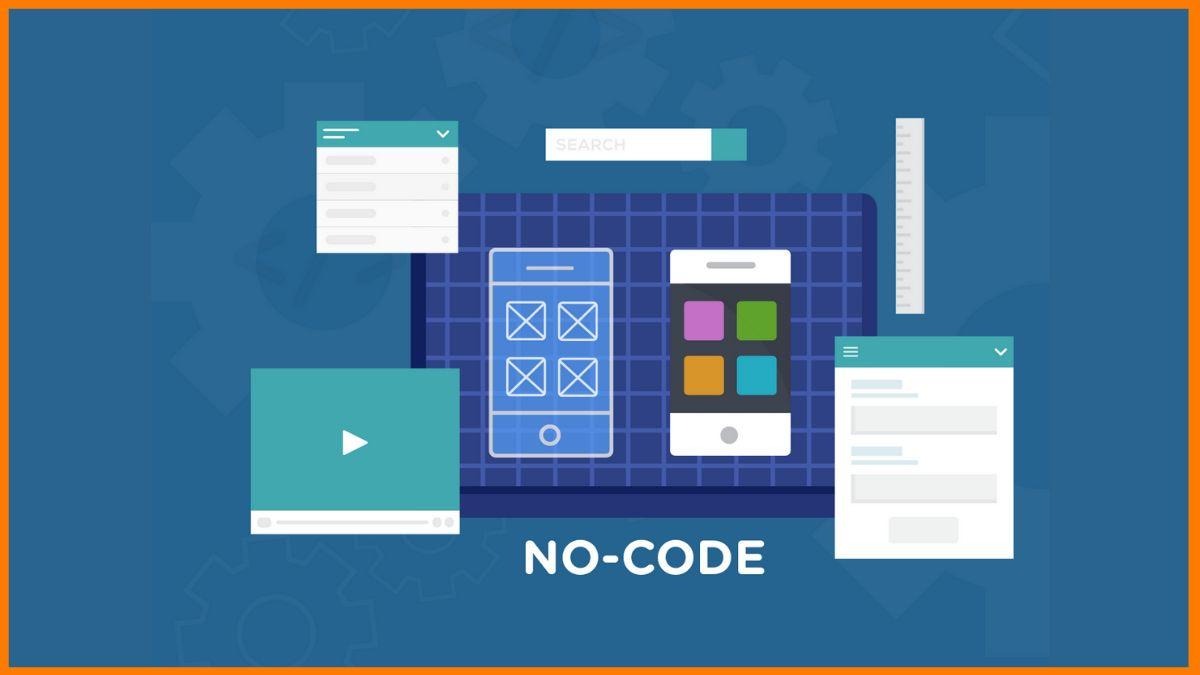
Image: Source
In 2026, no-code tools are no longer just just building simple minimum viable products (MVPs). They are full development platforms capable of supporting complex SaaS applications with real users, real revenue, and enterprise-grade infrastructure.
Several factors have fueled the rise of no-code platform for SaaS development:
As a result, founders can now validate ideas, launch products, and scale businesses using no-code development platforms.
Before diving into specific strategies for selection, it’s worth reflecting on why no-code SaaS development has become such a game changer:
Image : Source
Despite these advantages, not all no-code platforms are created equal, especially when your goal is to build scalable, robust SaaS products.
Not all platforms are created equal. Choosing the right no-code platform is not just about ease of use; it’s about future-proofing your SaaS.
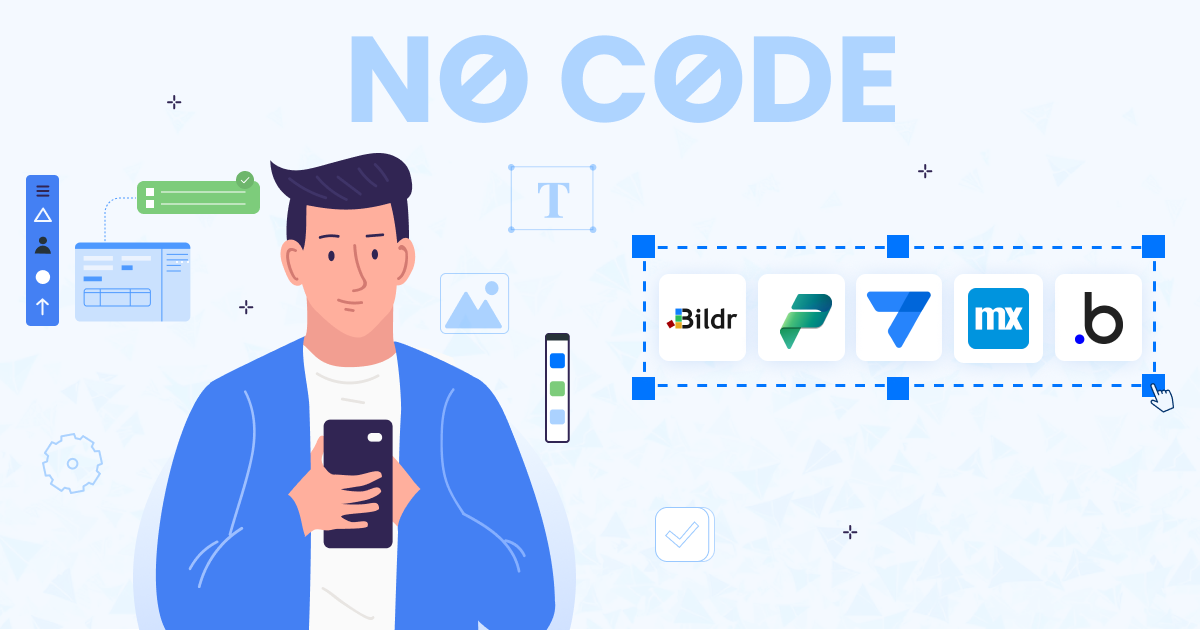
Image: Source
A poor platform choice can result in:
On the other hand, the right no-code platform empowers you to grow from MVP to enterprise-grade SaaS without rebuilding from scratch.
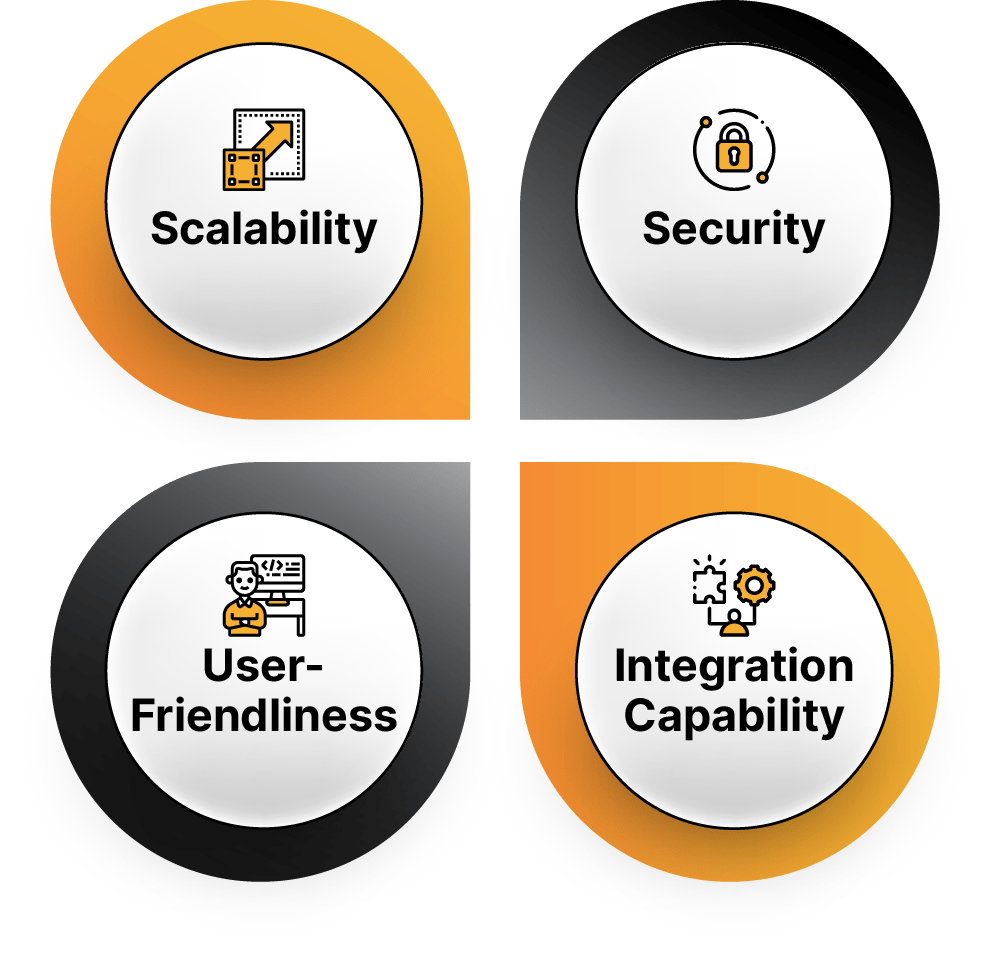
Image: Source
The first question to ask is: Can this platform grow with my SaaS?
A best no-code platform should support:
If you plan to build SaaS no code but expect rapid growth, scalability must be non-negotiable.
A strong no-code platform should offer robust backend features, including:
SaaS products are backend-heavy, and weak backend tools can limit your no-code SaaS development potential.
Your SaaS must look professional and intuitive. The right no-code platform should allow:
In 2026, users expect seamless experiences across devices, so front end flexibility is essential.
Many SaaS platforms now extend beyond web applications. Whether it’s admin access or end-user features, mobile app support is a growing requirement.
The best no-code development platforms offer:
If mobile is part of your roadmap, ensure your platform supports it natively.
Security is critical in SaaS. A reliable no-code platform for SaaS development should provide:
Trust is the backbone of SaaS success, and security cannot be an afterthought.
While the ecosystem is constantly evolving, most best no-code platforms fall into these categories:
The right no-code platform depends on your product complexity, team size, and long-term vision.
Traditional software development still has its place, but for most SaaS startups, no-code offers:
By choosing the right no-code platform, founders can focus on growth, not infrastructure.
No-code may not be suitable if:
Even then, hybrid approaches combining no-code and custom code are becoming common.
In 2026, AI is deeply integrated into no-code development platforms, enabling:
This makes build SaaS no code faster and smarter than ever.
Large organizations are now embracing no-code platforms for:
This trend validates no-code as a serious development platform, not just a beginner tool.
Avoiding these mistakes helps ensure you truly select the right no-code platform.
These are real, well-known no code development platforms used globally for SaaS development.
One of the most popular no-code platforms for SaaS development
Image: Source
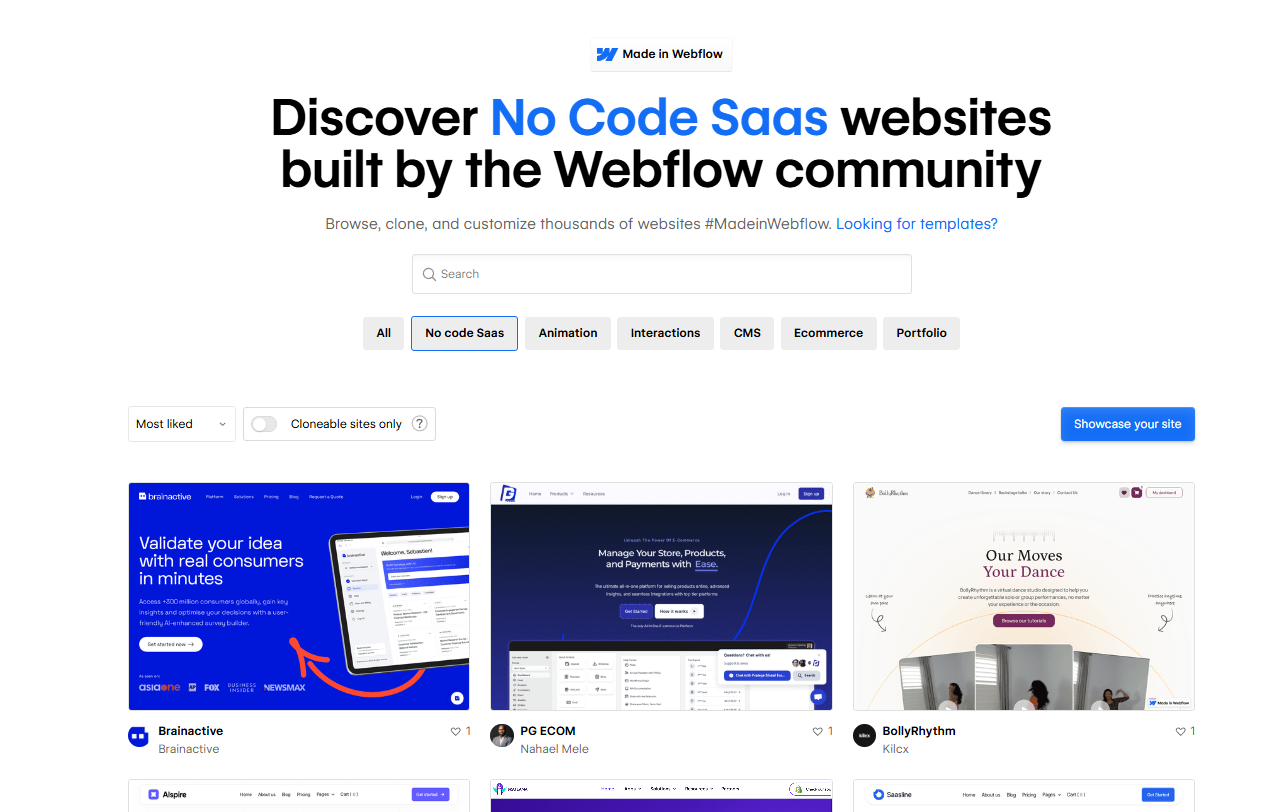
Image: Source
Step 1: Define Your SaaS Requirements
List features, integrations, and scalability needs.
Step 2: Shortlist Platforms
Compare at least 3–5 no-code development platforms.
Step 3: Build a Prototype
Hands-on testing reveals real limitations.
Step 4: Evaluate Long-Term Costs
Factor in usage-based pricing and add-ons.
Step 5: Validate Community and Support
Strong communities often indicate platform longevity.
In 2026, no-code is no longer an alternative; it’s a primary path to building successful SaaS products. The key lies in Choosing the Right No-Code Platform for SaaS Development that aligns with your technical needs, business goals, and future growth.
Image: Source
The best no-code platform is not the one with the most features, but the one that enables you to:
By carefully evaluating scalability, backend power, mobile app support, and long-term flexibility, you can confidently build SaaS no code and compete in an increasingly crowded market.
The future of SaaS belongs to founders who choose the right no-code platform and 2026 is the perfect time to make that choice.
.svg)


REGISTERED IN Chennai, INDIA.
"Global Team, Building for the world"





.webp)
.svg)
